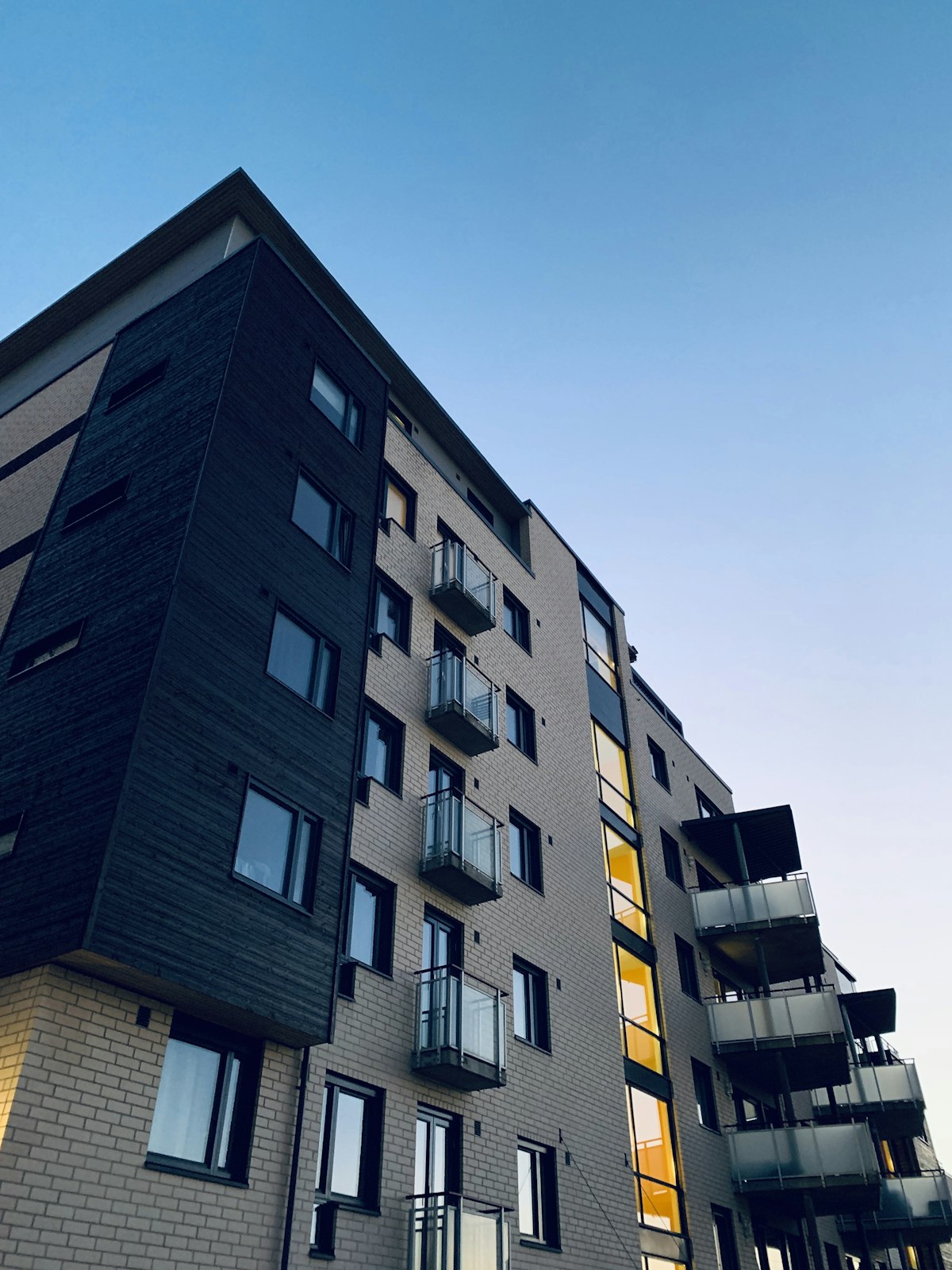
Miami Condo Market Hits New Peak
Miami-Dade County’s condominium market reached a milestone in Q2 2026, with median prices crossing $652,000 for the first time in recorded history. The surge reflects months of compressed inventory, sustained demand from domestic buyers relocating from high-cost northeastern metros, and continued Latin American capital flows.
What’s Driving Prices
Three converging forces have pushed Miami condos to record territory:
1. Inventory compression. Active listings fell 18% year-over-year to 4,200 units countywide, the lowest level since 2021.
2. Interest rate plateau. The Federal Reserve held rates steady for the third consecutive meeting, reducing uncertainty and pushing sidelined buyers back into the market.
3. Foreign capital inflows. Cross-border real estate data from the NAR shows South Florida absorbed $6.2B in international residential investment in the trailing twelve months, with Colombia, Venezuela, and Canada accounting for 61% of volume.
Neighborhoods Leading the Surge
Brickell continues to command a premium, with median prices at $820,000 — 26% above the county median. Edgewater and Wynwood, once considered emerging, have now crossed into established luxury territory at $680,000 and $590,000 respectively.
Doral remains the value play, with a median of $485,000 and strong rental demand from the city’s large corporate corridor.
What This Means for Buyers
Buyers entering the Miami condo market in Q2 2026 face a competitive environment but have more leverage than the 2021–2022 cycle. Days on market have crept back to 38 days (from a low of 12 in 2022), giving buyers time to conduct due diligence.
Key considerations:
- HOA health is non-negotiable. Post-SB 4D, building reserve studies are public record. Request the most recent inspection report before submitting any offer.
- Cash offers still close faster. 41% of Miami condo transactions in Q1 2026 closed all-cash, according to DBRS Morningstar data.
- New construction pipelines are thinning. Only 2,100 new condo units are scheduled for delivery in Miami-Dade through 2027, well below peak pipeline years.
What This Means for Sellers
For sellers, the window remains favorable but narrowing. The absorption rate — the number of months it would take to sell all current inventory at the current sales pace — sits at 3.1 months, still firmly in seller’s market territory (below 4 months), but up from 1.8 months in Q3 2025.
Sellers who priced aggressively in early 2025 are now seeing longer days-on-market than they anticipated. The era of automatic bidding wars has passed in most submarkets outside Brickell and South Beach.
The SB 4D Factor
Florida’s Milestone Inspection Law (SB 4D), passed after the Surfside collapse, continues to reshape the condo market. Buildings over 30 years old now face mandatory structural inspections and reserve funding requirements.
Approximately 340 Miami-Dade condo associations have received special assessments since the law took effect, with average per-unit costs ranging from $8,000 to $45,000. This has created a bifurcated market: buildings with clean inspection reports command significant premiums over those with deferred maintenance flags.
Looking Ahead
The consensus among South Florida brokers and analysts we surveyed points to a 5–8% additional appreciation in the back half of 2026, contingent on the Fed maintaining its current rate posture. A rate cut — widely anticipated by Q4 — could re-accelerate demand.
The wildcard remains insurance. Florida homeowners insurance premiums rose 31% on average in 2025, and condo association master policies have become a significant line-item in HOA budgets. Buyers financing a purchase should factor insurance costs carefully — they can materially affect affordability calculations.